
Watching your child hide behind you when meeting new people or stay silent in a room full of children can be heartbreaking. As a parent, you naturally want them to feel confident, make friends easily, and enjoy new experiences. If you’ve ever found yourself asking, “Why Is My Child So Shy Around Others?”, you’re certainly not alone.
Many children go through phases where they feel nervous in social situations. They may avoid speaking in class, hesitate to join group activities, or become anxious when meeting unfamiliar people. While shyness is a normal part of growing up for many children, it can sometimes hold them back from discovering new opportunities and building meaningful friendships.
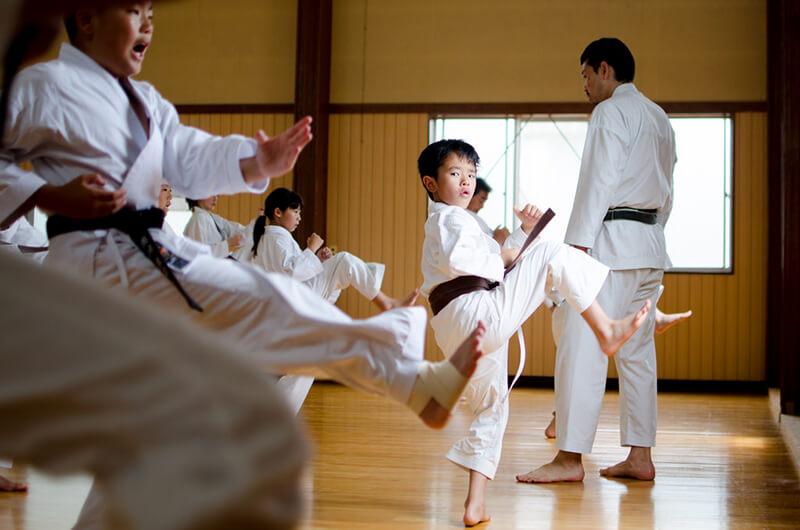
The encouraging news is that confidence can be developed over time. With the right support, positive experiences, and activities that encourage personal growth, children can gradually become more comfortable around others. One activity that has helped many children grow in confidence is karate training, where they learn valuable life skills while developing self-belief in a supportive environment.
Why Is My Child So Shy Around Others? Understanding What They May Be Feeling
When parents ask, “Why Is My Child So Shy Around Others?”, there’s rarely one simple answer. Every child has a different personality, and their experiences shape how they respond to new situations.
Some children simply take longer to warm up to new people. Others worry about saying the wrong thing, making mistakes, or being judged by others. A change of school, a difficult social experience, or even comparing themselves with more outgoing children can make them feel less confident.
Some common reasons behind shyness include:
- Fear of making mistakes
- Worry about what others might think
- Low self-confidence
- Difficulty starting conversations
- Limited opportunities to interact with new people
- Previous experiences that affected their confidence
Understanding what’s behind your child’s shyness is the first step toward helping them feel more secure and confident.
Recognising When Shyness Is Affecting Daily Life
Not every quiet child is unhappy. Some children simply enjoy observing before joining in, and that’s perfectly normal.
However, shyness may become a concern if it begins to stop your child from enjoying everyday experiences.
You may notice that your child:
- Avoids speaking in class.
- Refuses to participate in group activities.
- Finds it difficult to make new friends.
- Becomes anxious before social events.
- Lets others speak for them.
- Avoids trying anything unfamiliar.
These behaviours don’t mean something is wrong with your child. Instead, they may be signs that they need a little extra encouragement to build confidence at their own pace.
Why Is My Child So Shy Around Others? Confidence Is Built One Small Step at a Time
One of the biggest misconceptions about confidence is that children either have it or they don’t. In reality, confidence grows through experience.
Every time a child tries something new, overcomes a challenge, or achieves a small goal, they begin to believe in themselves a little more.
That’s why it’s important not to rush or pressure children into situations that make them uncomfortable. Gentle encouragement, patience, and celebrating small successes often make a much bigger difference than expecting immediate change.
Over time, these small victories become the foundation of lasting confidence.
Helping Children Feel Comfortable Outside Their Comfort Zone
It’s natural for children to avoid situations that make them feel nervous. Unfortunately, avoiding those situations repeatedly can make the fear feel even bigger.
Instead of pushing children into uncomfortable situations, parents can encourage them to take small, manageable steps.
It could be introducing themselves to a new classmate, answering one question in class, joining a group activity, or simply saying hello to someone new.
Each positive experience teaches children something valuable:
“I was nervous… but I did it.”
That simple realization helps build confidence far more effectively than constant reassurance alone.
Positive Experiences Shape Confident Children
Children gain confidence when they experience success in a supportive environment.
Activities that encourage teamwork, communication, discipline, and personal growth give children opportunities to interact with others without feeling pressured.
As they become familiar with routines and gradually develop new skills, many children begin opening up naturally. Parents often notice that they start participating more in school, making new friends, and expressing their thoughts more confidently.
These changes don’t happen overnight, but they often become some of the most rewarding milestones in a child’s development.
Your Encouragement Matters More Than You Think
Parents play one of the most important roles in helping children overcome shyness.
Simple everyday actions can have a lasting impact.
You can support your child by:
- Listening patiently when they want to talk.
- Praising their effort instead of expecting perfection.
- Avoiding comparisons with other children.
- Encouraging independence in everyday situations.
- Celebrating even the smallest achievements.
When children know they’re supported at home, they feel more confident stepping into new situations and trying things they once avoided.
Why Is My Child So Shy Around Others? Helping Your Child Believe in Themselves
If you’ve been wondering, “Why Is My Child So Shy Around Others?”, remember that confidence doesn’t appear overnight. It develops through positive experiences, encouragement, and opportunities to succeed.
When children discover that they can overcome small challenges, make new friends, and achieve goals through their own efforts, they begin to see themselves differently. That growing sense of self-belief becomes the foundation for confidence that lasts well beyond childhood.
How Karate Can Help Shy Children Open Up
Children don’t become confident simply because they’re told to “be brave.” Confidence grows when they experience success for themselves.
One of the reasons many parents choose karate Training is that it creates opportunities for children to achieve small goals regularly. Whether it’s learning a new technique, improving their balance, or progressing to the next belt, every achievement reminds them that they are capable of learning and improving.
Over time, these small successes help replace self-doubt with self-confidence. Children begin to participate more willingly, speak with greater confidence, and approach new situations with less hesitation.
Why Is My Child So Shy Around Others? Learning to Face New Challenges
If you’ve ever wondered, “Why Is My Child So Shy Around Others?”, it’s important to remember that confidence develops through experience—not by avoiding difficult situations.
International Karate trainning encourages children to take small steps outside their comfort zone in a safe and supportive environment. They may begin by introducing themselves to classmates, practicing with a partner, or demonstrating a technique in front of the group.
At first, these moments can feel intimidating. But as children repeat these experiences, they realise they can handle challenges they once thought were impossible.
That growing confidence often extends far beyond the dojo.
Building Strong Social Skills Naturally
Many shy children want to make friends but simply don’t know how to start a conversation.
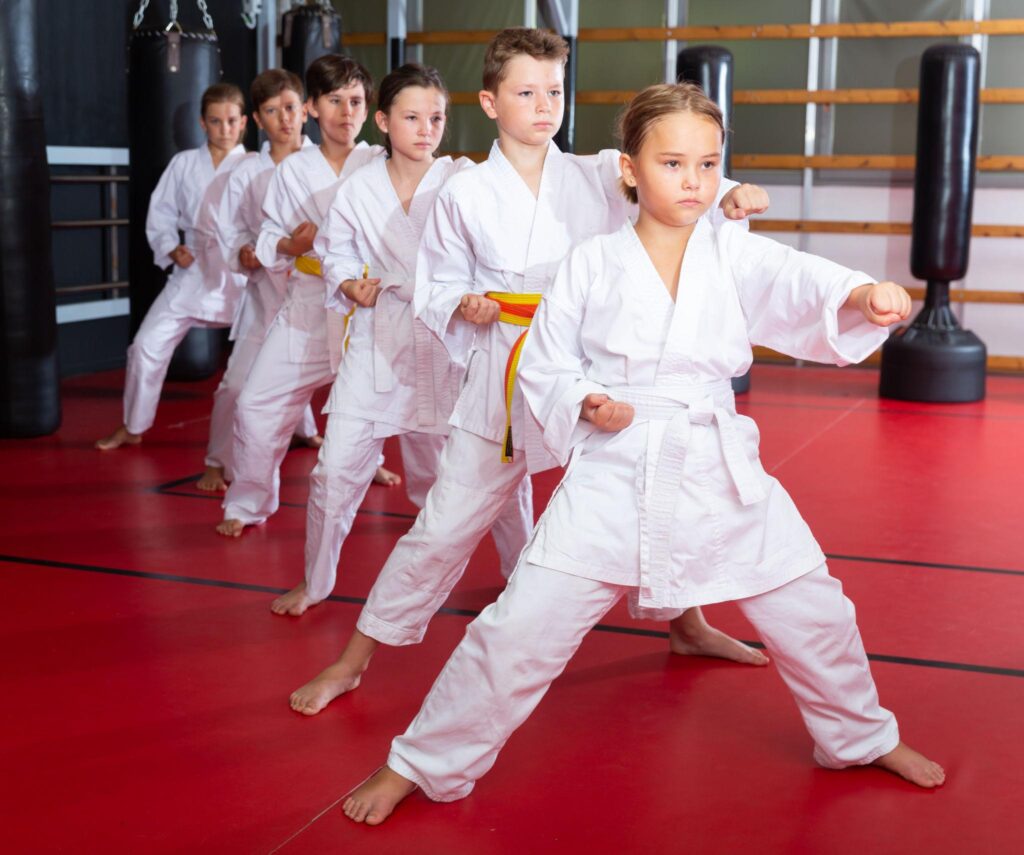
Karate classes provide a welcoming environment where children interact with others while working toward shared goals. They learn to communicate respectfully, support their classmates, and celebrate each other’s achievements.
Because everyone is learning together, children often feel less pressure to be perfect. Friendships develop naturally through shared experiences, making it easier for shy children to feel included.
Parents are often surprised to see their children becoming more comfortable speaking with others after a few months of regular classes.
Developing Emotional Strength
Every child faces moments of disappointment. They may struggle to learn a new skill, lose a competition, or feel frustrated when progress seems slow.
Instead of seeing these moments as failures, children learn to view them as opportunities to improve.
This positive mindset helps them become emotionally stronger. Rather than giving up or avoiding challenges, they learn to stay patient, keep trying, and believe that improvement comes with effort.
These qualities are just as valuable in school and everyday life as they are during martial arts lessons.
The Importance of Positive Role Models
Children learn best from adults who encourage them with patience and understanding.
Good instructors don’t simply teach techniques they help children believe in themselves.
They celebrate effort, guide students through challenges, and remind them that everyone progresses at their own pace.
This encouragement creates an environment where children feel safe asking questions, making mistakes, and trying again without fear of being judged.
How Parents Can Continue Building Confidence at Home
Parents play a vital role in helping shy children grow more confident.
You can support your child by:
- Giving them opportunities to make small decisions.
- Encouraging them to try new experiences without pressure.
- Praising their effort rather than expecting perfection.
- Allowing them to solve simple problems independently.
- Celebrating progress, even when it’s small.
Confidence develops little by little. Every positive experience helps children believe in themselves a little more.
Why Is My Child So Shy Around Others? Small Steps Lead to Big Changes
Many parents who ask, “Why Is My Child So Shy Around Others?”, begin noticing positive changes after their child becomes involved in structured activities that encourage personal growth.
Children often become more willing to:
- Answer questions in class.
- Make eye contact while speaking.
- Introduce themselves to new people.
- Join group activities.
- Express their opinions confidently.
- Take on new challenges without hesitation.
These improvements don’t happen overnight, but with consistent encouragement, they become part of a child’s everyday behaviour.
The confidence children develop through international karate training often carries into school, friendships, family relationships, and future opportunities.
Conclusion
If you’ve ever found yourself asking, “Why Is My Child So Shy Around Others?”, remember that shyness doesn’t define your child’s future. Every child grows at their own pace, and with patience, encouragement, and positive experiences, they can develop the confidence to connect with others and embrace new opportunities.
At Nochikan Karate, we believe every child deserves the chance to discover their strengths. By learning new skills, overcoming challenges, and celebrating steady progress, children gradually build the confidence that stays with them for life. Sometimes, all it takes is the right environment and someone who believes in them to help a shy child discover just how capable they really are.
