
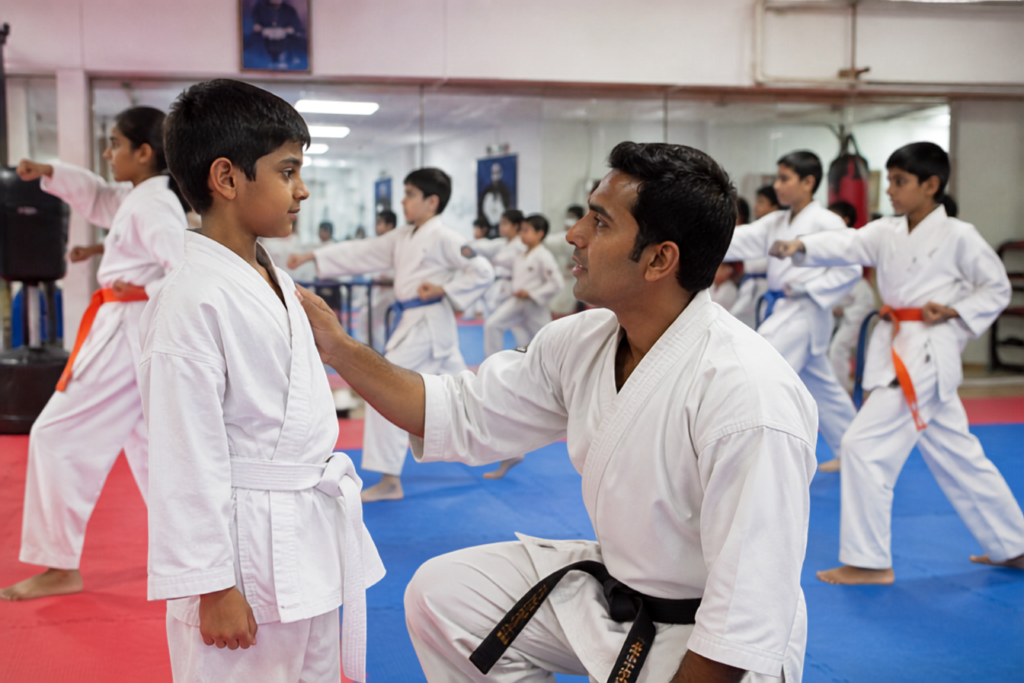
Every child experiences emotions differently. Some children are naturally expressive, while others are more deeply affected by the world around them. If you’ve found yourself thinking, “My Child Is Too Sensitive,” you’re certainly not alone. Many parents notice that their child cries easily, becomes upset over small disappointments, worries about what others think, or struggles to recover after criticism. While these behaviours can be concerning, being emotionally sensitive isn’t a weakness. In fact, sensitive children are often kind, empathetic, thoughtful, and deeply caring.
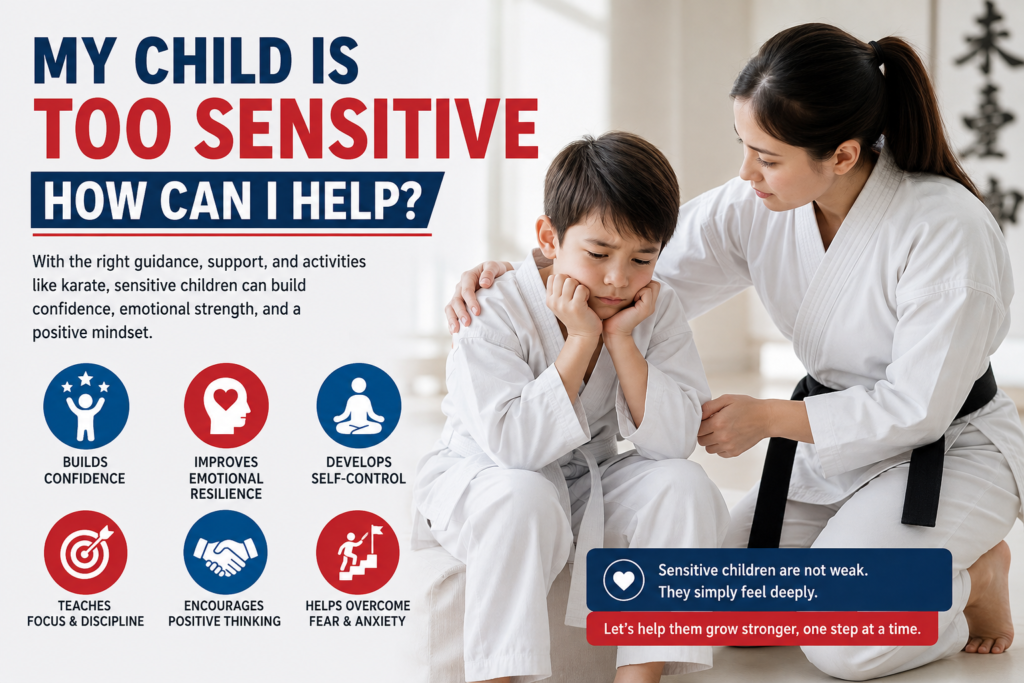
The challenge arises when those strong emotions begin to interfere with everyday life. A child who is highly sensitive may avoid trying new activities because they’re afraid of failing. They may become anxious before school, hesitate to make friends, or lose confidence after even small setbacks. As a parent, it can be difficult to know whether you should protect your child from these situations or encourage them to face them.
The good news is that emotional resilience can be developed. Children don’t have to remain overwhelmed by their emotions forever. With patient guidance, positive experiences, and opportunities to build confidence, they can learn how to manage their feelings while becoming stronger both emotionally and mentally. One activity that has helped many children achieve this balance is karate training, which combines physical activity with valuable life lessons that support emotional growth.
Why Is My Child So Sensitive?
When parents say, “My Child Is Too Sensitive,” they’re often describing a child who experiences emotions more deeply than others. This doesn’t necessarily mean something is wrong. Every child has a unique personality, and sensitivity is simply one part of that personality.
Some children are born with a temperament that makes them more aware of their surroundings. They notice facial expressions, changes in tone of voice, and the emotions of people around them. While this can make them compassionate and caring, it can also cause them to feel overwhelmed more easily.
Other factors can also contribute to emotional sensitivity. A difficult experience at school, problems making friends, changes at home, or being criticised too often may affect a child’s confidence. Even comparing themselves with classmates or siblings can make sensitive children question their own abilities.
Rather than trying to change who they are, it’s far more helpful to teach them how to understand and manage their emotions.
Signs Your Child May Be Emotionally Sensitive
Every child expresses emotions differently, but certain behaviours often suggest that they may be more emotionally sensitive than their peers.
Your child may:
- Cry easily when something doesn’t go as planned.
- Become upset after receiving constructive criticism.
- Worry excessively about making mistakes.
- Avoid situations where they might fail.
- Feel nervous about meeting new people.
- Take longer to recover after disappointment.
- Be deeply affected by arguments or conflict.
- Care too much about what others think.
If these behaviours happen occasionally, they’re usually a normal part of childhood. However, if they begin affecting your child’s confidence or daily life, it’s worth helping them develop stronger coping skills.
Why Emotional Resilience Matters
Children who learn to manage their emotions are better prepared for life’s challenges.
They understand that disappointment is temporary, mistakes are opportunities to learn, and setbacks don’t define their abilities. Emotional resilience doesn’t mean ignoring feelings or pretending everything is fine. Instead, it means recognising emotions, responding calmly, and continuing to move forward.
These skills benefit children in every area of life. Whether they’re facing an exam, learning a new skill, dealing with friendship issues, or participating in sports, emotional resilience helps them stay positive and keep trying.
The earlier children develop these qualities, the more confident they’ll become as they grow older.
My Child Is Too Sensitive – Building Confidence Through Small Victories
If you’ve been thinking, “My Child Is Too Sensitive,” remember that confidence isn’t built through words alone. Children begin believing in themselves when they experience success through their own efforts.
Small achievements play a powerful role in this process.
Learning a new skill, completing a challenge, or overcoming a fear teaches children that they are capable of more than they imagined. These positive experiences slowly replace self-doubt with confidence.
Parents often make the mistake of protecting sensitive children from every challenge because they don’t want to see them upset. While this comes from love, avoiding every difficult situation can actually prevent children from building resilience.
Instead, children benefit most when they’re encouraged to face manageable challenges with the support of caring adults.
Helping Sensitive Children Become More Independent
Sensitive children sometimes rely heavily on parents because familiar situations feel safe. Although it’s natural to want to protect them, giving children opportunities to solve small problems on their own helps them develop independence.
Simple responsibilities like organising their school bag, making small decisions, or introducing themselves to someone new gradually increase their confidence.
As children experience success independently, they begin trusting their own abilities. This growing sense of self-belief often reduces anxiety and encourages them to approach new situations with greater confidence.
Parents don’t need to rush this process. Every child develops at their own pace, and consistent encouragement is far more effective than pressure.
Creating a Safe Environment for Growth
One of the most important things parents can offer emotionally sensitive children is a safe environment where they feel accepted.
Children should know it’s okay to feel disappointed, nervous, or frustrated. Instead of dismissing their feelings by saying, “Don’t cry,” or “It’s not a big deal,” try helping them understand what they’re feeling.
Ask questions such as:
- “Can you tell me what made you feel upset?”
- “What do you think you could do differently next time?”
- “What did you learn from this experience?”
These conversations teach children that emotions are normal and manageable rather than something to fear.
They also encourage problem-solving instead of avoidance.
How Karate Helps Emotionally Sensitive Children
If you’ve been thinking “My Child Is Too Sensitive,” you may be looking for an activity that helps your child become emotionally stronger without changing who they are. Karate offers a positive and supportive environment where children can gradually build confidence.
Karate offers exactly that. Rather than encouraging children to hide their emotions, it teaches them how to understand those feelings and respond in a healthy way. Every class introduces small challenges that gradually help children step outside their comfort zone.
Whether they’re learning a new technique, practising with a partner, or preparing for a belt grading, children discover that progress comes through patience and perseverance. As they overcome these small challenges, they begin to realise they are stronger than they once believed.
Learning to Handle Criticism in a Positive Way
One of the biggest struggles for emotionally sensitive children is accepting feedback. Even gentle correction can sometimes feel like failure.
Karate changes this perspective.
During every lesson, instructors guide students by showing them how they can improve rather than focusing on what they did wrong. Children soon understand that feedback isn’t criticism it’s simply part of learning.
Instead of becoming discouraged, they begin asking questions, practising harder, and celebrating their own progress. This healthy attitude towards feedback often helps them become more confident at school and in other activities.
Turning Setbacks into Opportunities
Life won’t always go as planned. There will be times when children lose a game, receive lower marks than expected, or struggle to master a new skill.
Sensitive children often take these setbacks personally.
Karate teaches an important life lesson: every challenge is an opportunity to grow.
Not every technique is mastered on the first attempt, and not every belt is earned immediately. Students learn that improvement takes time, and every setback brings them one step closer to success.
This way of thinking helps children become more resilient instead of becoming discouraged whenever things feel difficult.
Building Confidence Through Consistency
Parents who often say “My Child Is Too Sensitive” are frequently surprised by how much confidence their children develop through consistent practice.
Confidence isn’t created by compliments alone. It develops when children repeatedly prove to themselves that they can overcome challenges.
Regular classes provide children with opportunities to improve little by little. Every new movement they learn, every challenge they overcome, and every personal goal they achieve reminds them that progress is possible through effort.
Parents are often surprised by the changes they notice after a few months.
Children who were once hesitant to speak in front of others often become more comfortable sharing their thoughts in the classroom. They may become more willing to make new friends, share their opinions, and try activities they once avoided.
These small changes gradually become part of their everyday personality.
The Importance of Positive Role Models
Every child benefits from having supportive adults who believe in their abilities.
Experienced instructors understand that every student learns differently. They don’t compare children or expect perfection. Instead, they encourage steady progress while helping each child build confidence at their own pace.
Positive encouragement creates a safe environment where children feel comfortable asking questions, trying again after mistakes, and celebrating every achievement.
When children know they’re supported rather than judged, they’re much more willing to step outside their comfort zone.
How Parents Can Continue Supporting Their Child
Parents have an important role in helping emotionally sensitive children become more resilient.
A few simple habits can make a lasting difference:
- Listen carefully before offering advice.
- Accept your child’s feelings without dismissing them.
- Encourage effort rather than expecting perfection.
- Celebrate small achievements and personal growth.
- Avoid comparing your child with others.
- Give them opportunities to solve age-appropriate problems independently.
Most importantly, be patient.
Confidence develops gradually. Every positive experience becomes another building block in your child’s emotional growth.
If you’ve been worried because My Child Is Too Sensitive, remember that emotional growth takes time. Small, consistent steps often lead to lasting confidence.
Small Changes Today Can Shape Your Child’s Future
If you’ve often found yourself thinking, My Child Is Too Sensitive remember that sensitivity doesn’t have to hold your child back.
Many emotionally sensitive children grow into compassionate, thoughtful, and confident adults when they’re given the right guidance.
The confidence they develop today will help them face future challenges, build healthy relationships, communicate more effectively, and make decisions with greater self-belief.
The emotional skills children learn now will continue supporting them throughout school, college, and later in life.
The confidence gained through international karate training often extends far beyond the dojo, helping children become calmer, more resilient, and better prepared for everyday challenges.
Conclusion
If you’ve been worrying, “My Child Is Too Sensitive,” remember that emotional sensitivity isn’t a weakness it’s a personality trait that can become a strength when children learn how to manage it.
With patience, encouragement, and positive experiences, sensitive children can become resilient, confident, and emotionally strong. Every small achievement helps them believe in themselves a little more.
At Nochikan Karate, we believe every child deserves the opportunity to grow with confidence. If you’ve often found yourself saying “My Child Is Too Sensitive,” remember that with patience, encouragement, and the right environment, today’s sensitive child can become tomorrow’s confident leader.
