
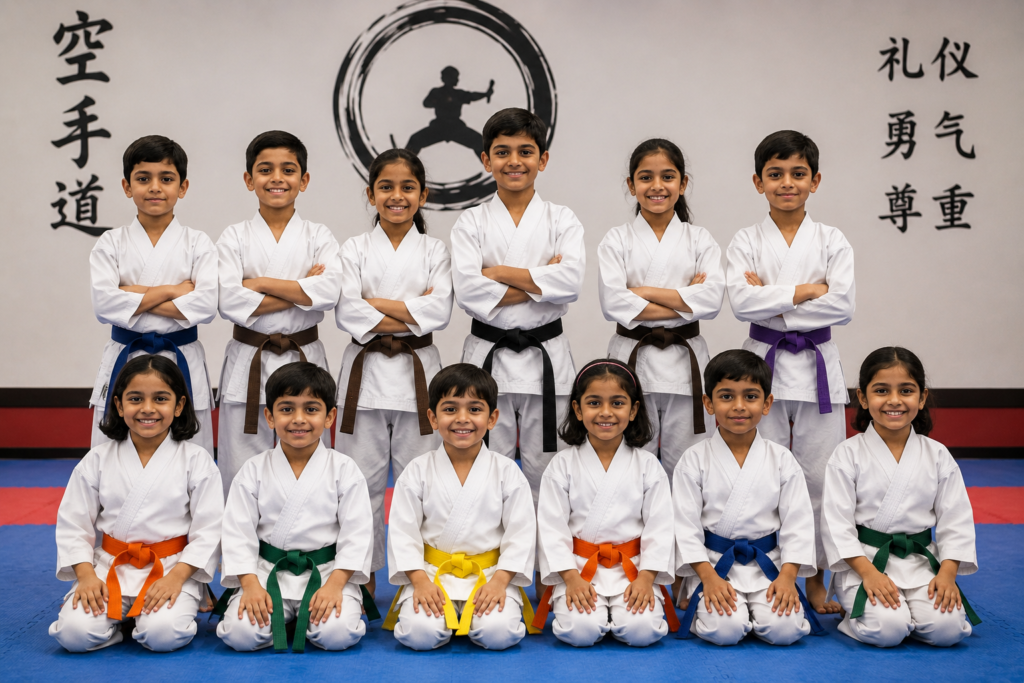
Every parent wants to see their child grow into a confident, disciplined, and healthy individual. While academic education plays an important role, extracurricular activities shape a child’s personality and life skills. Why Karate is One of the Best Activities for Child Development is a question many parents ask when exploring activities that benefit both the body and mind. Unlike many sports that focus mainly on physical fitness, karate develops discipline, respect, confidence, concentration, emotional balance, and leadership. These qualities help children succeed not only in school but also in everyday life.
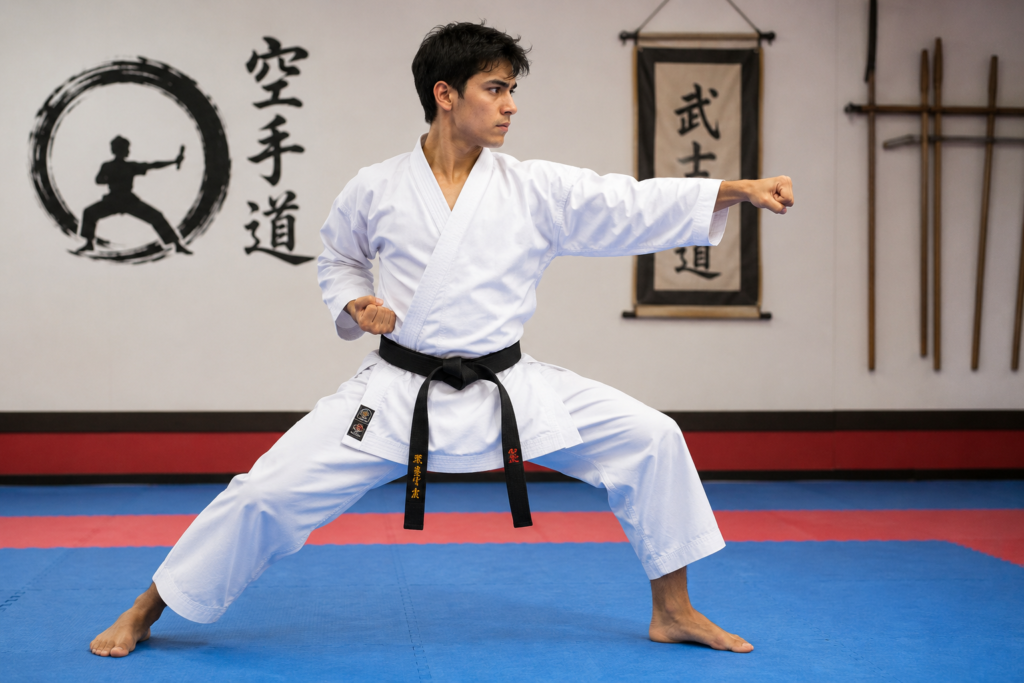
Why Karate is One of the Best Activities for Child Development: Building Confidence from an Early Age
One of the greatest benefits of karate is the confidence it builds in children. Every lesson introduces new skills and challenges, encouraging students to step outside their comfort zone. As they improve and earn new belts, they experience a genuine sense of accomplishment.
Children who once felt shy or hesitant often become more willing to participate in school activities, communicate with others, and take on responsibilities. This steady growth in confidence prepares them to face future challenges with a positive attitude.
How Karate Improves Discipline and Respect
Discipline is one of the first lessons children learn in karate. Students are expected to arrive on time, wear their uniforms correctly, listen carefully, and follow instructions throughout every class.
Respect is equally important. Children learn to show courtesy toward instructors, parents, classmates, and opponents. These habits gradually become part of their everyday behavior, helping them build stronger relationships at home and at school.
The structured environment teaches children that success comes through patience, consistency, and effort rather than shortcuts.
Karate is One of the Best Activities for Child Development Through Better Focus and Concentration
Modern children face constant distractions from televisions, smartphones, tablets, and video games. Karate encourages children to stay present during every movement and instruction.
They learn to:
- Listen carefully
- Remember movement sequences
- Follow instructions accurately
- Maintain attention throughout the class
These habits naturally improve concentration in classrooms as well. Many parents notice that their children become more attentive during homework and are able to complete tasks with fewer distractions.
Physical Fitness That Supports Healthy Growth
Children today need regular physical activity to maintain good health. Karate provides a complete workout that develops every part of the body.
Regular karate training helps children improves :
- Balance
- Flexibility
- Coordination
- Strength
- Endurance
- Agility
Instead of repetitive exercises, children enjoy learning new techniques while staying active. This makes fitness enjoyable rather than feeling like a chore.
Karate is One of the Best Activities for Child Development Because It Builds Emotional Strength
Children experience disappointment, excitement, nervousness, and frustration just like adults. Karate teaches them how to manage these emotions in healthy ways.
Instead of reacting impulsively, students learn to remain calm, think clearly, and respond with self-control. During training, mistakes are viewed as opportunities to improve rather than reasons to quit.
These emotional skills help children handle challenges both inside and outside the dojo.
Developing Leadership and Responsibility
Leadership begins with responsibility. In karate classes, students are encouraged to set a positive example for others by following instructions, practicing regularly, and helping newer students whenever appropriate.
As children advance through the belt system, they become role models for beginners. They understand that leadership is earned through good behavior, commitment, and respect rather than authority alone.
These qualities become valuable throughout school and later in professional life.
Better Social Skills Through Group Learning
Karate classes create opportunities for children to interact with classmates from different backgrounds.
Students learn how to:
- Work together
- Encourage one another
- Communicate respectfully
- Build friendships
- Celebrate each other’s achievements
For children who are naturally shy, these positive interactions often make it easier to develop social confidence.
Why Karate is One of the Best Activities for Child Development by Teaching Goal Setting
One reason children remain motivated in karate is the clear progression through belt levels.
Every belt represents a new milestone that requires dedication and consistent effort. Children discover that achieving goals requires patience and regular practice.
This mindset often carries over into academics, sports, and other personal achievements.
Learning Safe Self-Defense
Parents often choose karate because it teaches practical self-defense while emphasizing responsibility.
Students understand that martial arts should only be used to protect themselves or others when absolutely necessary. They are taught that avoiding conflict is always the best option whenever possible.
This balanced approach builds confidence without encouraging aggression.
Creating Healthy Habits for Life
Children who participate in karate often develop healthy routines that continue into adulthood.
These habits include:
- Regular exercise
- Time management
- Self-discipline
- Respect for others
- Consistent practice
- Positive thinking
Developing these habits early gives children a strong foundation for lifelong success.
Why Parents Value Karate for Their Children
Parents appreciate activities that help children grow in multiple areas instead of focusing on just one skill.
Karate supports:
- Personal growth
- Emotional maturity
- Physical health
- Mental resilience
- Character development
- Confidence
- Responsibility
These benefits extend well beyond the training hall and positively influence daily life.
Why Karate is One of the Best Activities for Child Development for Long-Term Success
The lessons learned in childhood often shape future success. Karate helps children become independent thinkers who understand the importance of hard work, perseverance, and respect.
Whether facing academic challenges, participating in competitions, or preparing for future careers, children carry these valuable life lessons with them for years to come.
Frequently Asked Questions
- Is karate suitable for young children?
Yes. Many children begin learning karate between the ages of four and six. Classes are designed according to age and ability, making learning enjoyable and safe.
- Does karate improve academic performance?
Karate helps improve focus, concentration, discipline, and time management. These qualities often contribute to better learning habits and improved classroom performance.
- Will karate make my child aggressive?
No. Traditional karate teaches self-control, respect, and responsibility. Students learn that martial arts should be used only for protection and never for bullying or unnecessary fighting.
- How often should children attend karate classes?
Most instructors recommend attending two or three classes each week. Consistent attendance helps children progress steadily while maintaining enthusiasm.
- Can shy children benefit from karate?
Absolutely. Many shy children gradually become more confident through structured learning, positive encouragement, and regular achievement of personal goals.
Conclusion
Parents looking for an activity that develops both character and physical fitness often discover Why Karate is One of the Best Activities for Child Development. Karate teaches confidence, discipline, respect, emotional control, leadership, responsibility, and resilience while keeping children physically active. These life skills continue to benefit children throughout their education and well into adulthood, making karate one of the most valuable investments parents can make in their child’s future.
