
Benefits of Karate
Karate is not merely a martial art or a physical activity; it is a complete system for personal development. Rooted in centuries of tradition, karate combines physical training, mental discipline, emotional balance, and moral values. Practicing karate helps individuals build a strong body, a focused mind, and a disciplined character. People of all ages—children, teenagers, adults, and seniors—can benefit greatly from karate training.
Physical Fitness, Strength, and Body Conditioning
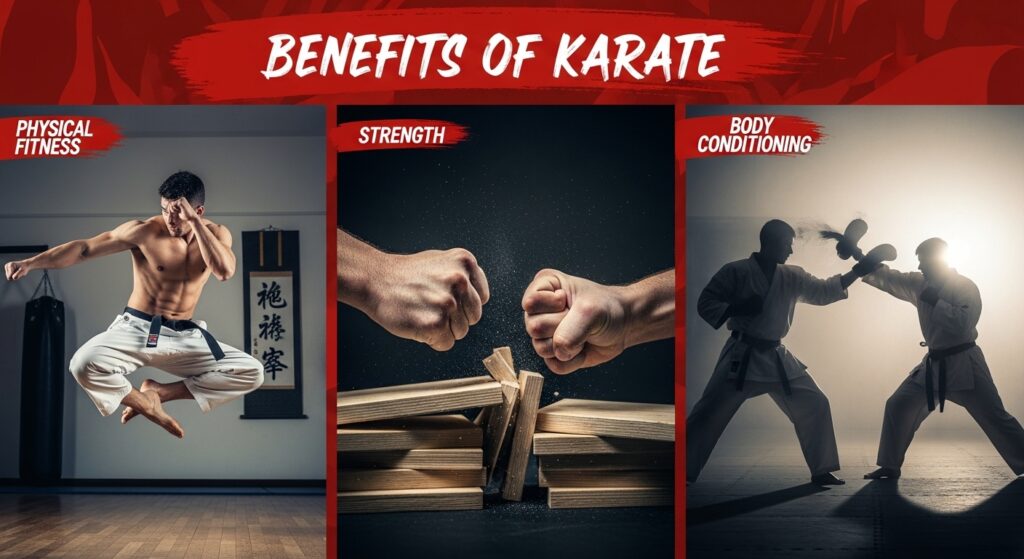
Karate is a full-body workout that strengthens every part of the body. Training sessions include punches, kicks, blocks, stances, kata (forms), and sparring, all of which engage muscles from head to toe. These movements improve muscle tone, strength, flexibility, balance, and coordination.
Unlike regular gym exercises, karate uses functional movements that enhance natural body mechanics. Regular practice improves posture, joint health, and bone density. It also increases cardiovascular endurance, helping the heart and lungs function more efficiently. Over time, students notice increased energy levels, improved stamina, and better overall physical health.
Mental Focus, Concentration, and Cognitive Development
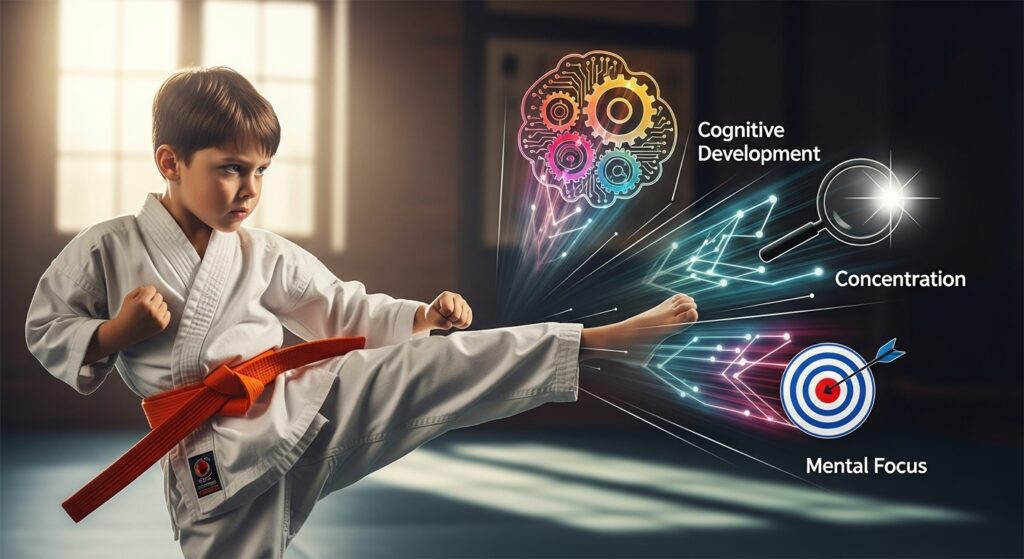
Karate demands complete mental involvement. Students must listen carefully, observe movements closely, and execute techniques with precision. This constant mental engagement strengthens concentration, memory, and mental clarity.
Training teaches students to remain calm under pressure, make quick decisions, and maintain awareness of their surroundings. These mental skills help students perform better in academics, professional environments, and everyday life. Karate also improves problem-solving abilities by encouraging discipline, consistency, and structured thinking.
Self-Defense Awareness and Personal Safety
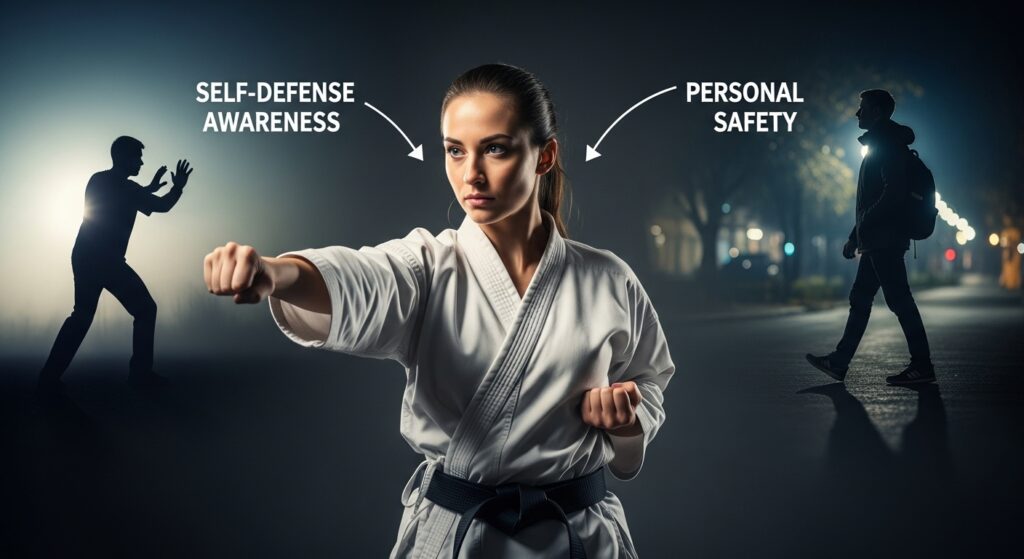
One of the most valuable benefits of karate is its focus on self-defense and personal safety. Karate teaches students how to recognize potential threats, avoid dangerous situations, and protect themselves if necessary.
Students learn effective defensive techniques using punches, kicks, blocks, and evasive movements. More importantly, karate emphasizes control, restraint, and responsibility, teaching that self-defense should only be used when absolutely necessary. This training builds confidence and a strong sense of personal security without promoting aggression.
Confidence Building and Self-Esteem Enhancement
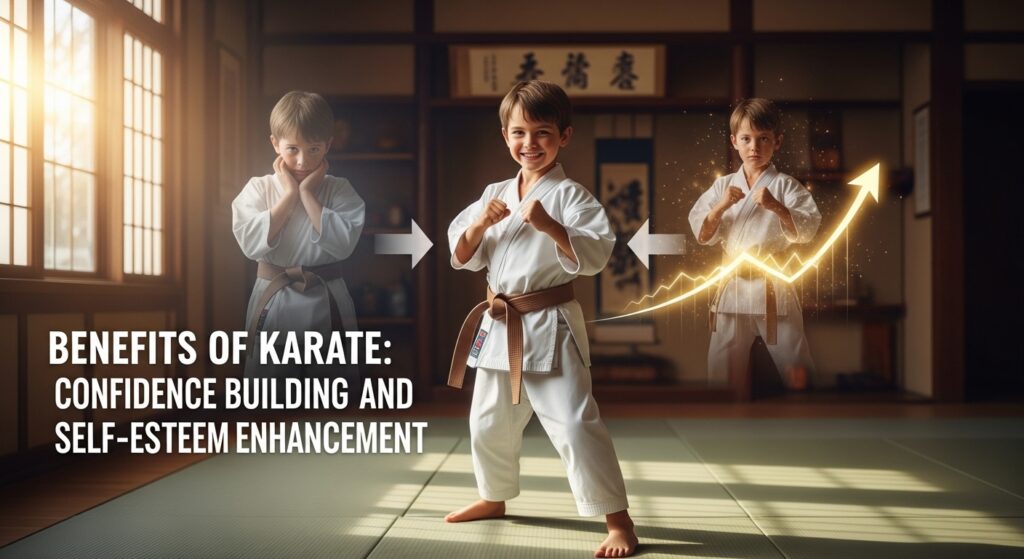
Karate helps individuals believe in themselves. As students learn new techniques and progress through belt levels, they gain a sense of achievement and pride. Each challenge overcome builds self-confidence, courage, and self-respect.
This growing confidence is reflected in better posture, stronger communication skills, and a positive attitude. Students become more comfortable facing challenges, taking responsibility, and stepping outside their comfort zones. These benefits extend into school, work, and personal relationships.
Goal Setting, Motivation, and Perseverance
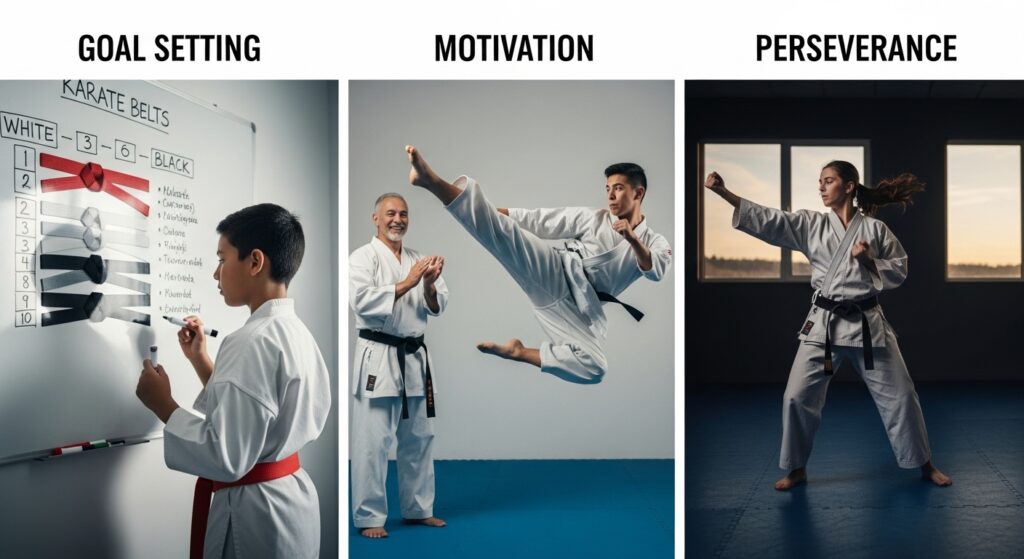
The belt ranking system in karate provides a clear path of progression. Each belt represents growth, effort, and commitment. Students learn the importance of setting goals and working consistently to achieve them.
Karate teaches patience and perseverance. Progress is earned through dedication, practice, and discipline. This mindset helps students overcome obstacles and remain motivated, not only in training but in all areas of life.
Respect, Discipline, and Strong Moral Values
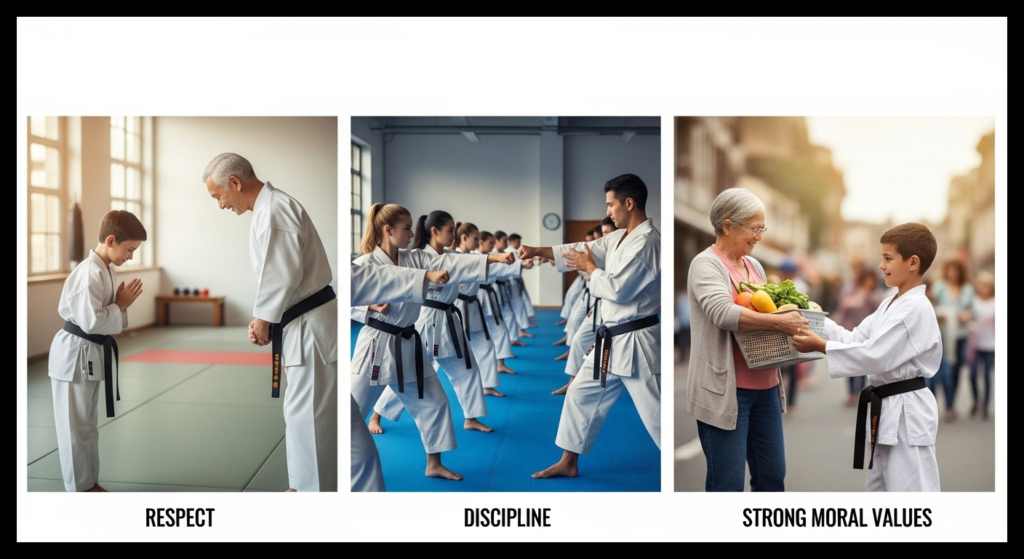
Respect is a fundamental principle of karate. Students are taught to respect their instructors, training partners, the dojo, and themselves. Bowing, following rules, and maintaining discipline reinforce good manners and ethical behavior.
Karate training instills values such as honesty, humility, responsibility, and perseverance. These values shape character and help individuals become respectful, disciplined, and trustworthy members of society.
Stress Reduction and Emotional Control
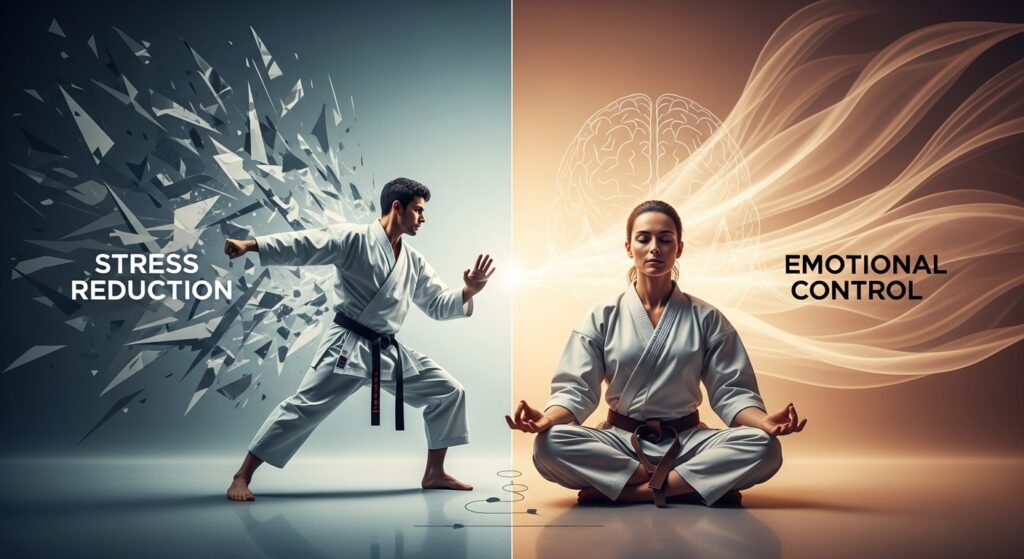
Karate provides a powerful outlet for stress relief. Physical activity releases tension stored in the body, while controlled breathing and focused movement calm the mind. Training sessions help students disconnect from daily stress and regain emotional balance.
Karate also teaches emotional control. Students learn how to manage anger, frustration, and fear through discipline and self-awareness. Over time, this leads to improved emotional stability, reduced anxiety, and better mental well-being.
